The Quiet June: Why Nobody's Buying the Rainbow This Year
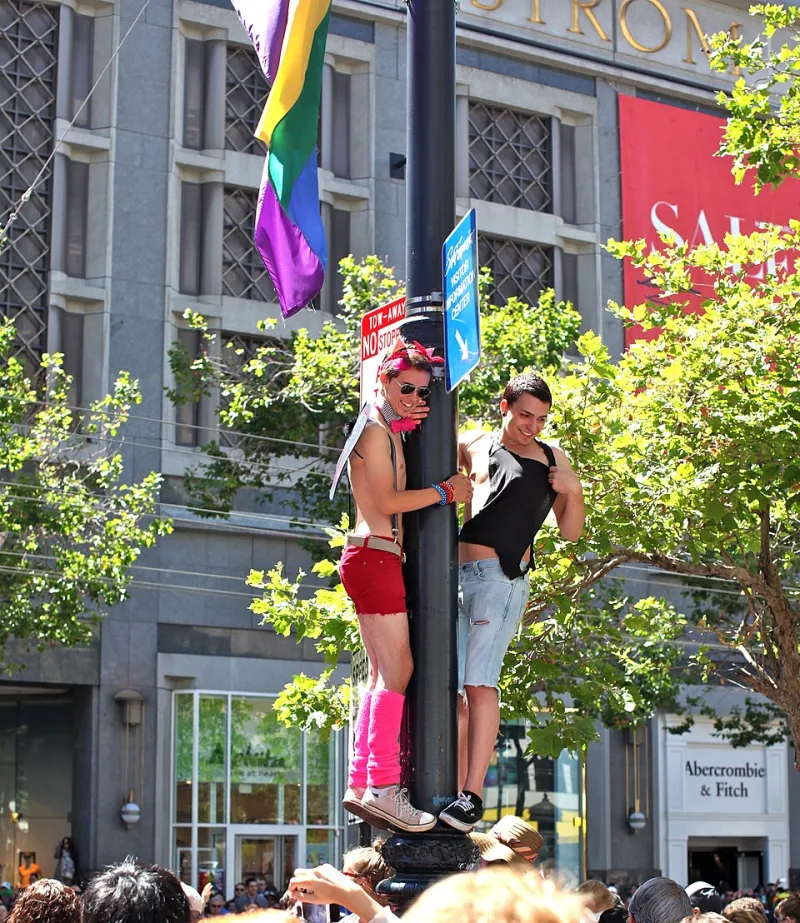
Photo: torbakhopper, CC BY 2.0, via Wikimedia Commons
Let's be honest about what's coming this June, because the marketing departments already know: less. Fewer rainbow logos. Fewer limited-edition capsule collections. Fewer brands tweeting a heart emoji on June 1 and going silent by June 15.
The corporate Pride machine isn't dying because queer people lost interest in being pandered to. It's dying because it stopped working on the only audience it was ever really performing for — itself.
A Strategy That Failed in Both Directions
For years, rainbow capitalism ran on a simple bet: queer consumers are loyal, brand-conscious, and flush with disposable income, so a Pride campaign was cheap insurance for a lucrative demographic. The math worked as long as there was no downside.
Then the downside showed up. The Bud Light catastrophe and the Target backlash of 2023 taught corporate America that Pride merch now carries real revenue risk in red-state America. Conservative boycotts, once fringe, became organized, social-media-native, and occasionally effective. The threat of a right-wing pile-on became a line item in brand risk assessments.
So the corporations did what corporations do: they hedged. They ran Pride campaigns in coastal markets and quietly pulled them in Dallas. They kept the internal employee resource group but skipped the public float in the parade. They donated to politicians who sponsor anti-trans bills while their HR department celebrated Trans Day of Visibility.
And here's the part the corporate suite still doesn't grasp: the hedging fooled nobody. Queer consumers noticed the market-by-market cowardice. The boycott crowd noticed the campaigns anyway. The result is a strategy that now alienates one side without energizing the other — the political equivalent of paying for both dinner and the bill you dodged.
What the Silence Actually Means
Predicting the quietest Pride season on record isn't pessimism; it's pattern recognition. Brand surveys and marketing trade press have been flagging declining corporate Pride participation for two cycles. Some companies will shift to 'year-round' engagement, which in practice usually means the same silence with better press releases.
The irony is thick. For two decades, queer advocacy groups were told that corporate partnership was the sign of mainstream acceptance — that the boardroom was the final frontier. It turns out the boardroom's commitment was always conditional, priced to the market, and revocable the moment a handful of angry emails hit the C-suite. Acceptance that evaporates under pressure wasn't acceptance. It was a seasonal promotion.
What Real Alliance Looks Like
If corporations want to be allies — and some genuinely might — the playbook is not complicated. It just isn't photogenic.
It means lobbying dollars that match the tweet. If your PAC funds a state legislator who sponsors a bill targeting trans kids, no amount of rainbow packaging offsets that. It means making the HR protections real in every state where you operate, not just the ones with friendly employment law. It means showing up in March, and October, and the week a school board in your headquarters' state votes on book bans — not just the thirty days when it's profitable.
And it means accepting risk. Every meaningful ally in American history took a hit for the position. If a brand's commitment to its queer employees and customers can't survive a rough news cycle, it was never a commitment.
The Silver Lining in the Washout
Here's the uncomfortable upside: the retreat of corporate Pride might be good for the movement. Pride was never supposed to be a shopping season. The parade began as a riot commemoration, organized by the people corporations wouldn't hire, for a community that couldn't buy its way into safety.
A quieter June strips away the sponsorship banners and asks the question the glitter obscured: what does this community need? The answer — legal defense funds, mutual aid, state-level organizing, candidates who'll fight — doesn't fit on a limited-edition tote bag. But it's the only version of Pride that was ever going to last.
The rainbow washout is coming. Good. Let the marketing departments have their quiet summer. The rest of us have work to do.