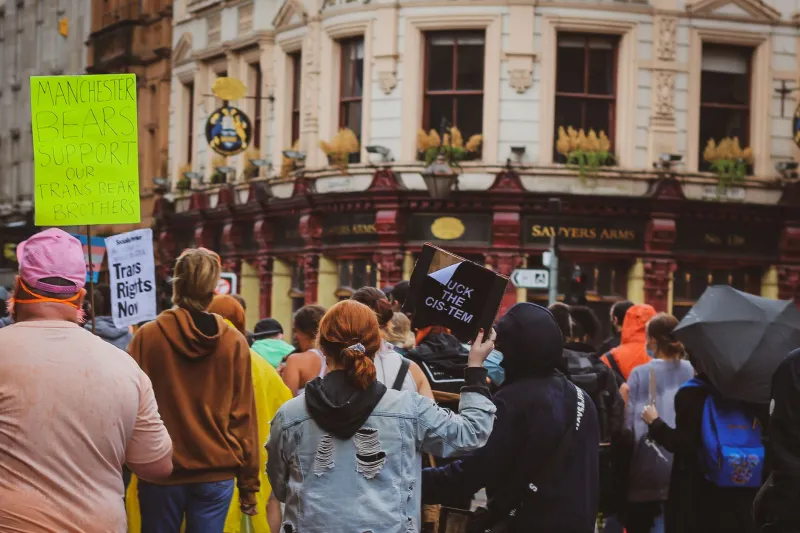
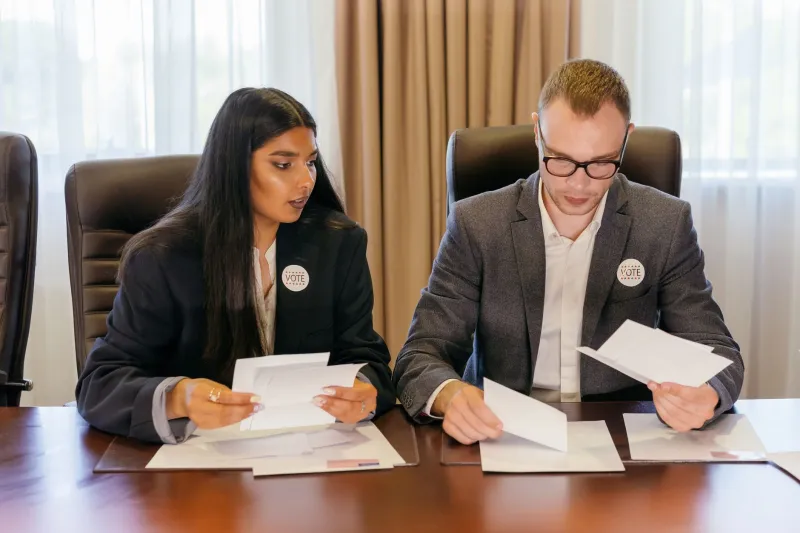
Out in the Sticks: Why Rural Queer Voters Are the Election Wildcard Republicans Keep Ignoring
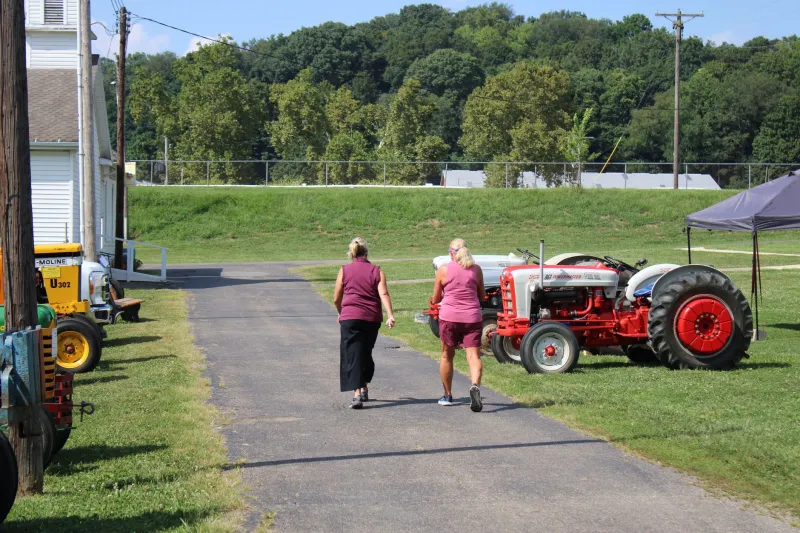
Picture the queer voter that cable news has in mind: probably in a major metro, probably college-educated, probably donating to campaigns you've heard of. Now throw that image out entirely, because the most interesting story in LGBTQ+ electoral politics right now isn't happening in Brooklyn or WeHo or Boystown. It's happening in places like Luzerne County, Pennsylvania. Maricopa County's outer edges. The small cities of rural Wisconsin. And it's a story that Republicans, in particular, seem completely unprepared to reckon with.
Rural and exurban queer voters — a demographic that barely registers in most national political coverage — are quietly becoming a meaningful force in exactly the kinds of tight, competitive districts that decide who controls Congress and state legislatures. And the GOP's decision to make anti-LGBTQ+ legislation a centerpiece of its brand is turning what might have been persuadable or low-propensity voters into a motivated, organized bloc.
The Myth of the Urban Queer Voter
The assumption that LGBTQ+ Americans are predominantly urban is, at this point, more cultural mythology than demographic reality. According to data from Gallup and the Williams Institute, LGBTQ+ adults are distributed across the United States in patterns that roughly track overall population distribution — which means millions of queer people live in rural areas, small towns, and exurban communities that national campaigns routinely ignore.
What's different about rural queer voters isn't their existence — it's their political situation. Many live in communities where they are socially embedded in ways that defy easy categorization. They're the mechanic who's also the local drag performer on weekends. The nurse who's been with her wife for fifteen years and coaches youth soccer. The farmer's kid who came out in high school and stayed, because this is home.
These voters often have complicated relationships with both parties. Many have family members who vote Republican. Some have historically split their own tickets. They're not monolithic, and they don't always behave the way national LGBTQ+ advocacy organizations expect them to.
But here's what's changed: the relentless wave of anti-trans legislation, book bans, and "don't say gay" policies filtering down from Republican-controlled statehouses has made neutrality feel impossible for a lot of these voters. And when previously disengaged voters get activated, elections move.
The Organizing Happening Under the Radar
In the absence of robust attention from national organizations, rural queer communities have been building their own political infrastructure — and it looks different from what you'd find in a major city.
It's less likely to be a formal PAC or a slick voter registration drive. It's more likely to be a group chat, a mutual aid network that evolved into a phone bank, a rural LGBTQ+ center that started hosting candidate forums. It's the kind of organizing that doesn't generate press releases but absolutely generates turnout.
Organizations like Rural Equality (formerly known as Rural LGBTQ+ communities) and the National Center for Transgender Equality have been investing in rural outreach, but they'll be the first to tell you the infrastructure is still underdeveloped relative to the need. The gap between what rural queer voters need and what national organizations are providing is still wide.
What's filling that gap, increasingly, is peer-to-peer organizing. Queer people in rural areas talking to their neighbors, their coworkers, their family members. It's slower. It's messier. And research consistently shows it's more effective at moving votes than almost anything else.
The Republican Miscalculation
Here's the core strategic error Republicans have made, and it's a significant one: they assumed that anti-LGBTQ+ politics would play as well in rural America as their internal polling suggested, without accounting for the fact that almost every rural American knows someone who is queer.
This isn't the 1990s. LGBTQ+ visibility in small-town America has risen dramatically over the past two decades. The neighbor's kid who came out. The cousin at Thanksgiving. The beloved teacher who got married to her partner last summer. When Republican legislators pass laws that target trans youth or restrict what teachers can say about their families, it's not abstract to rural voters anymore. It's personal.
Polling in several swing states has shown that rural voters, when asked specifically about legislation affecting trans children's healthcare access, express significantly more ambivalence than Republican strategists anticipated. The "protect the kids" framing that plays well in fundraising emails lands differently when the kid in question is someone you coached in Little League.
"They made a bet that rural voters would just follow the culture war script," said one Democratic field director working in a competitive rural district. "And some do. But a lot of them are tired. They didn't move to the country to have the government in their doctor's office or their kid's classroom."
The Swing Potential Is Real
Electoral analysts are beginning to pay closer attention to what queer voter mobilization in rural and exurban areas could mean in practice. In districts decided by fewer than five percentage points — and there are a lot of them — even modest shifts in turnout or vote share among previously low-propensity voters can be decisive.
The math isn't complicated. If queer voters in rural swing counties turn out at rates closer to their urban counterparts, and if a meaningful percentage of persuadable rural voters with LGBTQ+ family members shift even slightly toward Democratic candidates, the effect on competitive House and state legislative races is measurable.
What Democrats haven't fully figured out yet is how to invest in rural queer organizing at the scale the opportunity demands. National party infrastructure still tends to concentrate resources in urban and suburban areas. The rural queer voter remains, in many ways, an afterthought in campaign budgeting decisions.
A Community That's Done Waiting
The most striking thing about the rural queer voters and organizers doing this work is that most of them aren't doing it because a national campaign asked them to. They're doing it because their lives depend on it — sometimes quite literally.
The rollback of healthcare protections, the legislative attacks on trans youth, the creeping normalization of anti-LGBTQ+ rhetoric in local politics — these aren't distant policy debates for people living in communities where the county judge or the school board chair is someone they'll see at the grocery store.
That proximity, that groundedness, is actually a political asset. Rural queer organizers know their communities in ways that outside consultants never will. They know who to call, what to say, which issues resonate, and which talking points will get the door slammed in their face.
Republicans have bet heavily that rural America is monolithically hostile to queer visibility. Rural queer voters are in the process of proving them wrong — one county at a time.