Room Mothers and Renegades: The Queer Parent Takeover Nobody Planned For
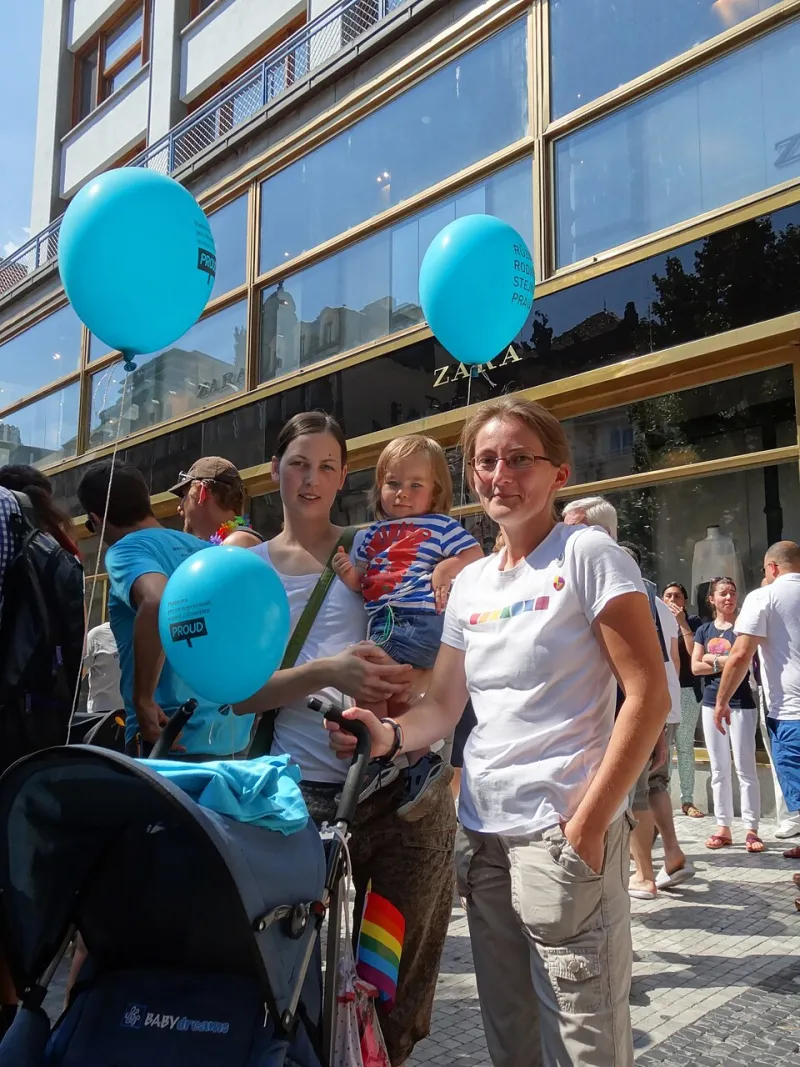
Photo: arda from Ostrava, Czech Republic, CC BY-SA 2.0, via Wikimedia Commons
There's a particular kind of meeting that happens in school districts across America. It's the PTA planning session in September, the one where the bake sale schedule gets set and the fall fundraiser picks a theme. For decades, queer parents attended these meetings the way a lot of people attend them: quietly, on the margins, nodding along.
That era is over.
From the Sidelines to the Sign-Up Sheet
Ask around any mid-sized school district and you'll hear versions of the same story. A lesbian couple in suburban Columbus runs for PTA co-presidency on a platform of funding the arts program. A trans dad in a Houston suburb joins the district's parent advisory committee, then chairs it. In Sacramento, a gay foster father of four gets appointed to the county's foster care oversight board after spending two years showing up to every public comment period with a spreadsheet.
These aren't celebrity moments. They're Tuesday nights. And they're adding up to something that looks a lot like a political realignment happening one Parent-Teacher Association at a time.
The numbers back up the anecdote. Gallup's polling shows that the share of LGBTQ+ households raising children has climbed steadily over the past decade, and research from the Family Equality Council suggests that queer parents are significantly more likely than their straight peers to engage in school-based advocacy. Parenthood, it turns out, is a mobilizing force. When your kid's curriculum, library, and bathroom access are on the line, 'getting involved' stops being optional.
Reclaiming a Phrase That Was Used Against Us
For forty years, 'family values' was the cudgel. It was the phrase stamped on ballot measures that banned recognition of queer relationships, the rationale for foster care discrimination, the polite-sounding cover for policies that treated queer parents as a threat to children.
Now queer parents are picking the phrase up and refusing to hand it back.
'They told us we didn't count as families,' says one PTA officer in Michigan who asked to use only her first name because of local harassment campaigns. 'So fine. We became the families. We show up. We volunteer. We fundraise. And when someone shows up to a board meeting to read explicit passages out of books to 'protect the children,' we're the ones standing there with our actual children in the room.'
That's the strategic shift. Queer parents aren't just responding to attacks on their legitimacy — they're out-organizing the people making those attacks in the very arenas where 'family values' politics gets decided. School board races, PTA elections, foster care advisory boards: these are low-cost, high-impact contests where showing up matters more than money, and where queer parents have a built-in claim to standing that no opponent can argue away.
The Money Trail Runs Through the Carpool Line
Here's where it gets interesting from a campaign finance perspective. The infrastructure supporting these candidacies is maturing fast. National groups are quietly channeling seed money into school board races with out queer parents, the same way they once focused exclusively on federal contests. Small-dollar networks of LGBTQ+ parents — often organized through nothing more formal than group chats and preschool pickup lines — are bundling donations for candidates two states away.
Compare that to the spending on the other side. National conservative organizations have poured millions into school board races nationwide, treating them as the tip of the spear for a broader agenda. But local queer parent networks are winning anyway, because what they lack in checkbooks they make up for in turnout, credibility, and sheer persistence. You can outspend a PTA mom. You can't out-volunteer her.
The Courtrooms Come Next
School districts are just the opening act. Family court is the next frontier — custody disputes where a parent's sexuality still gets weaponized in some states, foster licensing battles, adoption proceedings where religious exemption laws create a patchwork of second-class parenthood. Queer parents who cut their teeth on school boards are now running for judicial seats, joining court-watch programs, and building the kind of legal monitoring infrastructure that the reproductive rights movement pioneered.
The movement's older leadership spent decades fighting for the right to have families. The parents coming up now are fighting for something different and, in some ways, harder to argue against: the ordinary, boring, unglamorous right to run the carpool, chair the fundraising committee, and get re-elected without it being a headline.
That might be the most radical thing of all. The revolution, it turns out, has a volunteer sign-up sheet — and queer parents just took over the clipboard.