Amending the Map: Queer Organizers Are Rewriting State Constitutions — One Ballot at a Time
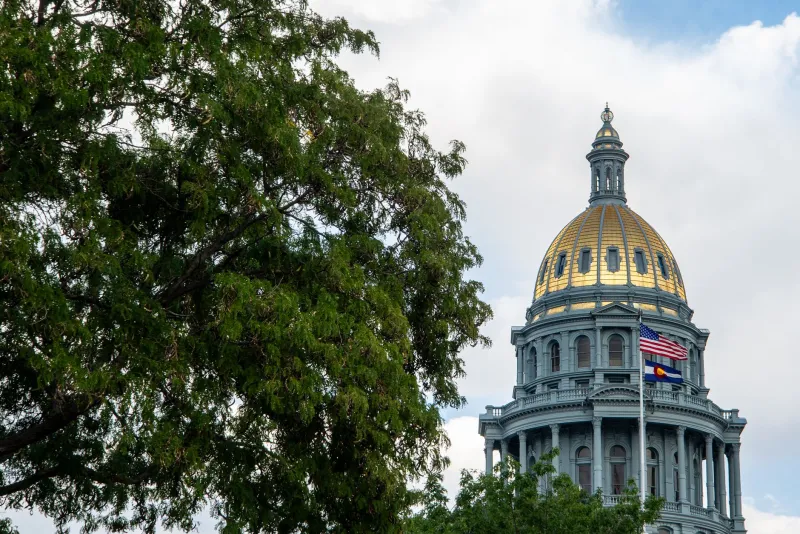
Forget Washington for a second. Forget the Senate filibuster, the gridlocked House, and the whiplash of executive orders that can undo four years of progress with a single pen stroke. A growing coalition of LGBTQ+ advocacy organizations has quietly decided that the most durable path to queer rights in America isn't through Congress at all — it's through the state constitutions that most people never think about until it's too late.
This isn't an accident. It's a strategy. And it's working in places that would have seemed unthinkable even five years ago.
Why the Constitution, and Why Now?
The appeal of constitutional amendment campaigns over standard legislation isn't complicated once you understand the political math. A law passed by a state legislature can be repealed the moment the opposing party flips the chamber — which, in today's political environment, can happen in a single election cycle. A constitutional amendment, by contrast, requires a much higher threshold to undo. In most states, you'd need another ballot initiative or a supermajority vote to reverse it. That's a dramatically higher bar.
"We've watched rights get passed and then gutted over and over again," says one organizer at a Midwest-based queer legal fund who asked not to be named because of ongoing campaign work. "At some point you have to stop playing defense and start building walls that are actually hard to knock down."
The post-Dobbs political landscape accelerated this thinking considerably. When the Supreme Court overturned Roe v. Wade in 2022, reproductive rights advocates pivoted almost immediately to state constitutional campaigns — and won, repeatedly, in states like Kansas, Kentucky, and Michigan. LGBTQ+ strategists were watching closely. If abortion rights could survive in deep-red Kansas through a direct democracy mechanism, the playbook was suddenly a lot more transferable than anyone had assumed.
The Coordinated Architecture Behind the Campaigns
What looks like a scattered collection of local ballot fights is, on closer inspection, a fairly coordinated national operation. Several major LGBTQ+ legal and advocacy organizations — including state-level affiliates of national groups — have been sharing data, legal templates, and field organizing models across state lines.
The money side of this is where things get particularly interesting, and where the Campaign Finance angle cuts deep. These efforts are funded through a layered mix of large LGBTQ+ donor networks, small-dollar grassroots fundraising, and, increasingly, mainstream Democratic-aligned PACs that have recognized constitutional campaigns as high-leverage investments.
Donor bundling has become especially important. Rather than one wealthy donor writing a single massive check — which creates both legal exposure and political optics problems — queer fundraising networks have been aggregating smaller contributions from hundreds of donors into coordinated giving pools. It's a model borrowed partly from progressive climate finance and partly from the early-2010s marriage equality campaigns, updated for the current environment.
In several states, ballot initiative campaigns have also been structured to take advantage of independent expenditure rules, allowing allied organizations to run parallel advertising and organizing operations without formal coordination with the main campaign committee. It's legally clean, strategically smart, and increasingly standard practice.
Unexpected Wins in Unexpected Places
The geographic spread of this work is maybe the most striking part of the story. Campaigns aren't just targeting blue-leaning swing states. Organizers are deliberately investing in states that conventional political wisdom would have written off — places where a constitutional protection for LGBTQ+ people would have seemed like fantasy politics not long ago.
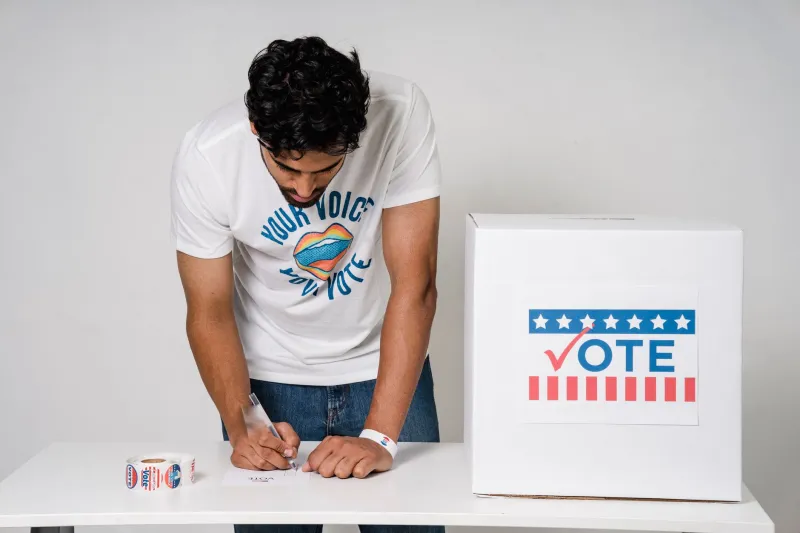
Part of the calculation is demographic. Rural queer communities exist everywhere, and they vote. Younger voters in even conservative states poll significantly more supportive of LGBTQ+ protections than the overall electorate. And ballot initiative campaigns have a structural advantage over candidate elections: they can be framed around specific, concrete rights rather than partisan identity, which tends to peel off a meaningful slice of persuadable voters who would never vote for a Democrat but will vote to protect their gay neighbor's marriage.
The messaging discipline behind these campaigns has been notably sharp. Rather than leading with identity-forward framing that energizes the base but potentially alienates persuadable voters, many campaigns have leaned into privacy, family stability, and anti-government-overreach language — values that resonate across ideological lines in ways that explicitly progressive messaging sometimes doesn't.
The Legal Architecture: Locking In Protections That Stick
Beyond the political wins, there's a legal dimension to this strategy that deserves more attention. Constitutional amendments don't just create political facts on the ground — they create legal precedents and procedural protections that constrain future legislatures in ways that go beyond simple repeal risk.
Queer legal advocates have been working closely with constitutional law scholars to draft amendment language that is specific enough to be enforceable but broad enough to cover foreseeable future threats. That's a harder drafting challenge than it sounds. Language that protects "same-sex marriage" might not cover a future legislative attack on adoption rights or healthcare access. The goal is constitutional text that functions as genuine protection across the full spectrum of queer life, not just the most visible flashpoints.
Some of the most sophisticated campaigns have also been pairing amendment efforts with simultaneous state legislative work, using the threat of a ballot initiative as leverage to negotiate stronger statutory protections — and then banking the constitutional amendment as a backstop regardless of what the legislature does.
What This Means for the National Picture
Zoom out and the implications are significant. If this strategy continues to gain traction, the national LGBTQ+ rights landscape could start to look less like a binary federal fight and more like a complex, state-by-state patchwork of constitutional protections that are genuinely durable in a way that federal legislation — which can be gutted through agency rulemaking, court challenges, or simple non-enforcement — often isn't.
That's not a perfect outcome. A country where your rights depend on which state you were born in, or can afford to live in, is not a country that has solved the problem. But it's a country where queer people in more places have real legal floors under their feet rather than political promises that evaporate when the wind shifts.
And in the current environment, a legal floor you can actually stand on is worth a lot.
The rainbow lobby isn't waiting for Congress to find its spine. It's already rewriting the rules — one state constitution at a time.