Sequins in the Sunbelt: How Drag Culture Is Cracking Open the Red State Political Map
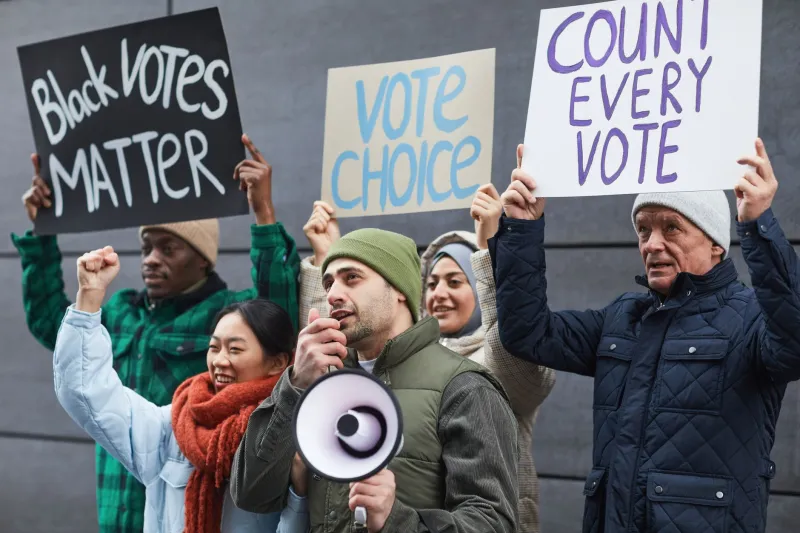
There's a moment that Marisol Vega, a Democratic field organizer in Bexar County, Texas, keeps coming back to. It was a Saturday afternoon last spring, and she was staffing a voter registration table at a local drag brunch fundraiser. By noon, her team had registered 47 new voters — more than they'd pulled in at the previous three canvassing events combined.
"People were genuinely excited," she says. "They weren't just signing up to vote. They were asking how to get more involved."
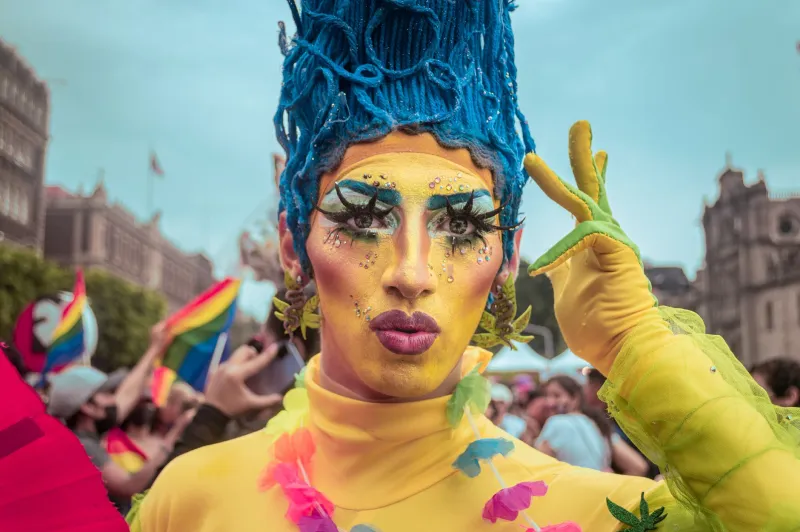
That anecdote might sound like a feel-good outlier, but political operatives across the South and Mountain West are quietly telling versions of the same story. As drag performers have moved from the margins of queer nightlife into the relative mainstream — think RuPaul's Drag Race Emmy wins, library story hours, and sold-out theater tours — something politically interesting is happening in states that aren't supposed to be competitive. The visibility is generating community, and community, as any organizer will tell you, generates power.
The Backlash That Backfired
Here's the irony that nobody in Republican strategy circles seems to want to talk about loudly: the legislative war on drag may have done more to mobilize LGBTQ+ voters in red states than a decade of traditional organizing ever could.
Since 2022, more than a dozen states have passed or attempted to pass laws restricting drag performances, often framed around vague language about "adult entertainment" near minors. The bills made national headlines. They also made a lot of formerly disengaged queer people in those states extremely, suddenly political.
"Before the anti-drag bills, I had friends who genuinely didn't think local elections affected them," says Jordan Tate, a community organizer with a queer advocacy group in Knoxville, Tennessee. "After the bills, those same people were showing up to city council meetings. They were donating to candidates. They were running for school board."
Political scientists call this the "threat mobilization" effect — the phenomenon where perceived attacks on a community's identity accelerate civic participation faster than positive messaging alone. And in states like Tennessee, Florida, and Montana, the data suggests it's real. Voter registration among 18-to-34-year-olds in several of these states spiked notably in the months following high-profile anti-drag legislation.
Visibility as a Voter Contact Strategy
Some campaigns are moving beyond simply reacting to backlash and are starting to treat queer cultural spaces as genuine voter contact infrastructure — a shift that's as strategic as it is symbolic.
In Georgia's 6th Congressional District, a long-shot Democratic challenger allocated a portion of her campaign budget specifically toward sponsoring Pride events and drag performances in suburban Atlanta communities. The goal wasn't just optics. It was list-building.
"Every person who walks into a Pride event is a potential donor, volunteer, or voter," explains campaign finance consultant Derek Mouton, who has worked on several down-ballot races in the Southeast. "If you're sponsoring that event, you're getting access to that list. You're having conversations. That's retail politics — it just happens to involve a lot more glitter than your average county fair booth."
Mouton notes that LGBTQ+-focused fundraising events have also started attracting allied straight donors in ways that weren't as common five years ago. Drag brunches, in particular, have developed a cross-demographic appeal that makes them unusually effective fundraising vehicles in mid-size Southern cities.
The Candidate Question
The visibility wave is also quietly reshaping who feels emboldened to run for office in the first place.
Across states that would have seemed unthinkable a decade ago, openly queer candidates are appearing on ballots for city councils, school boards, and state legislatures — not just in urban centers, but in smaller communities where the local drag scene has helped build a visible, organized queer constituency.
In Huntsville, Alabama, a city better known for rocket science than rainbow flags, an openly gay candidate won a city council seat last year after a campaign that leaned heavily into community events, including a fundraiser headlined by local drag performers. His campaign raised nearly $40,000 — modest by congressional standards, but substantial for a municipal race in that market.
"Five years ago, I don't think I would have run," he said in a post-election interview with a local paper. "But the community had become visible enough that I knew there was a base there. People knew us. We weren't abstract."
That sense of being known — of not being a political abstraction — is something strategists increasingly identify as drag culture's most underrated political contribution. Visibility humanizes. And humanization, in a political environment saturated with culture-war caricatures, is a surprisingly powerful tool.
Money, Momentum, and the Long Game
None of this means red states are about to flip purple on the strength of a lip sync battle. Let's be real. The structural barriers — gerrymandering, voter suppression, deeply entrenched partisan identity — remain formidable. And the same legislative sessions producing anti-drag bills are also producing a raft of other anti-LGBTQ+ measures that have concrete, damaging effects on queer lives.
But the emerging consensus among queer political strategists is that cultural visibility and electoral organizing are no longer separate conversations. They're the same conversation.
"We used to think about Pride as a celebration and politics as a separate lane," says Vega, the Texas organizer. "Now it's all integrated. The party is the organizing meeting. The drag show is the donor event. The visibility is the strategy."
For campaign finance purposes, that integration matters. When LGBTQ+ cultural events become recognized nodes of political fundraising and voter contact, they start attracting the kind of investment — from PACs, from national party committees, from allied donors — that builds durable infrastructure rather than one-off moments.
The sequins, in other words, aren't just decoration. In more places than the political establishment is ready to admit, they're doing serious electoral work.
Have a tip about LGBTQ+ political organizing in your state? Reach out to us at ALGBTical — we want to hear what's happening on the ground.