Statehouse Queers: The Under-the-Radar Lawmakers Holding the Line in Swing-State America
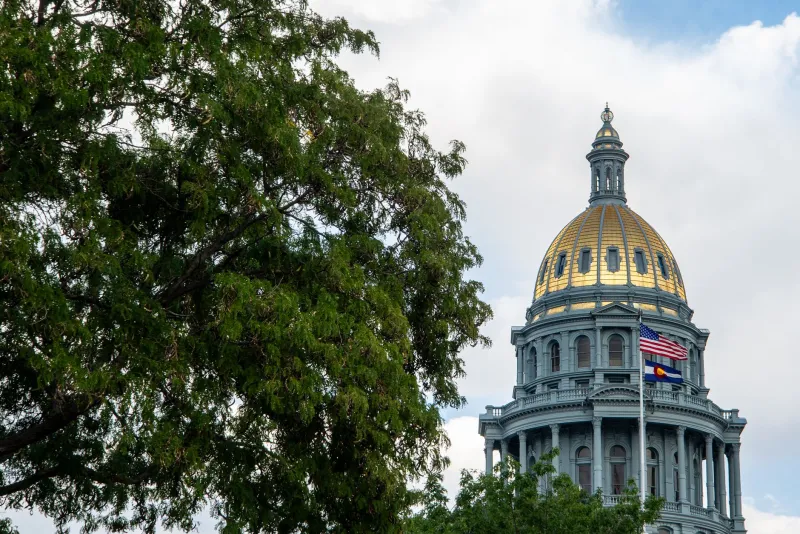
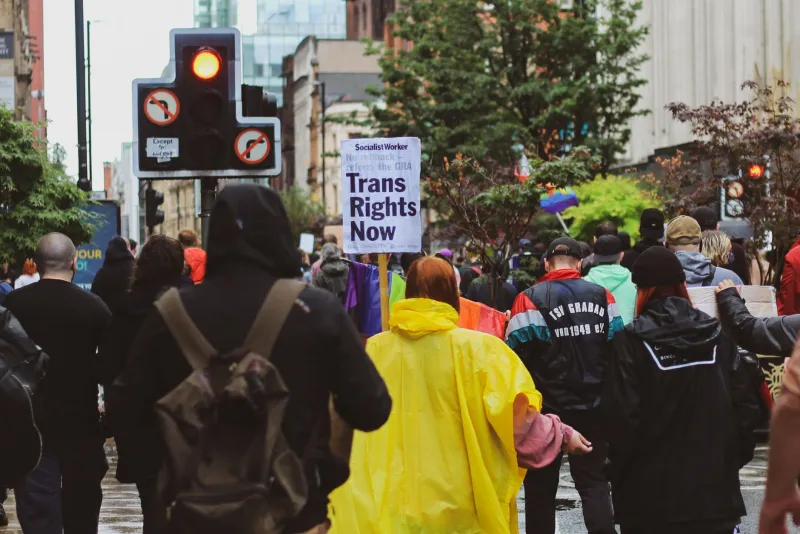
Forget Washington for a second. Seriously — just set it aside. The fights that determine whether a trans teenager can play on their school's sports team, whether a same-sex couple can adopt, whether a queer employee has recourse when their boss fires them for who they love — those fights aren't happening in the Capitol rotunda. They're happening in Springfield, in Phoenix, in Madison, in Raleigh. And increasingly, the people standing in the gap are openly LGBTQ+ legislators who most Americans have never heard of.
That's not an accident. It's a strategy.
The Numbers Are Moving — Slowly, But They're Moving
As of 2024, the Victory Fund — one of the primary organizations tracking and supporting out LGBTQ+ candidates — estimates there are over 1,000 openly LGBTQ+ elected officials across the United States. That sounds impressive until you remember there are roughly 7,400 state legislative seats in this country. We're still talking about a sliver. But the trajectory matters.
In 2012, fewer than 300 out LGBTQ+ officials held any elected office nationwide. The jump over the past decade reflects something real: more candidates running, more donors writing checks, and — crucially — more voters in competitive districts deciding that a queer lawmaker isn't a liability.
Colorado leads the pack in raw numbers, with a state legislature that has included openly LGBTQ+ members in both chambers for years. Nevada, New Hampshire, and Virginia have all seen significant growth in queer representation at the statehouse level. Even in places like Michigan and Pennsylvania — states that have spent years on the electoral knife's edge — out legislators have won seats that their parties absolutely needed.
Purple Is Where the Work Gets Done
Here's the thing about deep-blue states: yes, they pass the protective legislation, and yes, that matters. But in states where Democrats have supermajorities, queer lawmakers aren't exactly swimming upstream. The real test — and the real impact — comes in the purple zones.
Take Wisconsin. Democrats flipped the state assembly in 2023 after years of Republican dominance, and several openly LGBTQ+ members rode that wave in. They're now sitting on committees that control whether anti-trans healthcare bills even get a hearing. That's not glamorous work. Nobody's doing a profile on the person who quietly ensures a bill dies in subcommittee. But that procedural power is the difference between a kid in Green Bay having access to gender-affirming care or not.
Or look at Arizona, where the state Senate has become a genuine battleground. Queer legislators there have become adept at building cross-aisle coalitions — finding the one or two Republican members who might be persuadable on a specific issue, and working them relentlessly. It's transactional, unglamorous politics. It's also effective.
Money Follows the Map
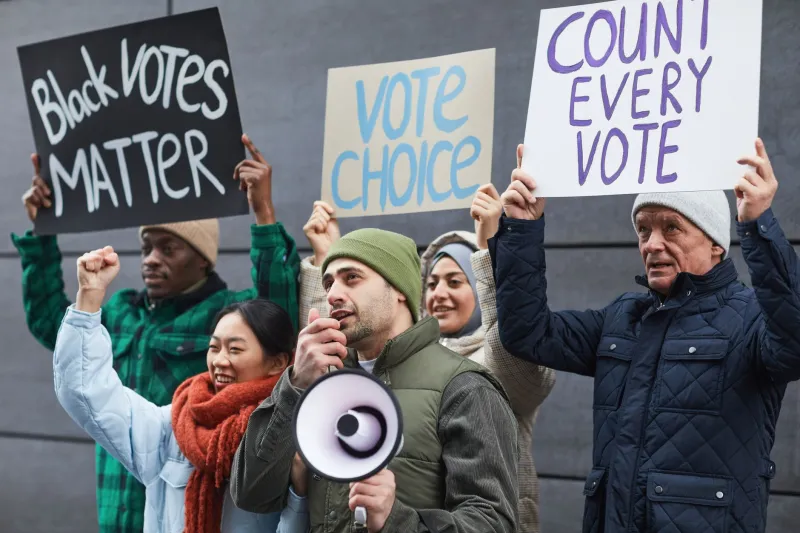
This is where campaign finance gets interesting, and where ALGBTical readers should pay close attention. The funding infrastructure for LGBTQ+ state legislative candidates has matured considerably in the past few election cycles. The Victory Fund's candidate program, along with state-level PACs and donor networks like the LGBTQ+ Victory Institute's pipeline programs, are increasingly directing resources toward exactly these purple-state races.
The logic is straightforward: a dollar spent electing an out legislator in a competitive Nevada district does more policy work than the same dollar spent in a safe San Francisco seat. Donors — both individual queer givers and allied organizations — have started to internalize that math. In the 2022 cycle, the Victory Fund reported record fundraising for state-level candidates specifically, with a notable concentration in swing states.
What's also shifted is the sophistication of how these campaigns are financed. Early-money donors — people who write checks before a race gets competitive — are increasingly identifying queer candidates in red-leaning districts and making calculated bets. Sometimes those bets don't pay off. But the ones that do create something durable: an incumbent with name recognition, a fundraising base, and committee seniority.
Profiles in Statehouse Grit
Without naming every legislator (there are more than you'd think), a few archetypes have emerged among this cohort of queer state lawmakers.
There's the committee blocker — the legislator who doesn't have the votes to pass pro-equality bills but has enough institutional standing to ensure the worst anti-LGBTQ+ proposals never reach the floor. They're often not the most vocal member of their caucus. They're the one who knows Robert's Rules of Order cold and uses every procedural tool available.
Then there's the coalition builder — often a bisexual or lesbian woman in a district with a significant Latino or Black electorate, who has learned to frame LGBTQ+ issues through an intersectional lens that resonates with a broader constituency. These legislators are often the ones passing bills that protect queer people not by naming them explicitly, but by strengthening anti-discrimination frameworks that benefit multiple communities.
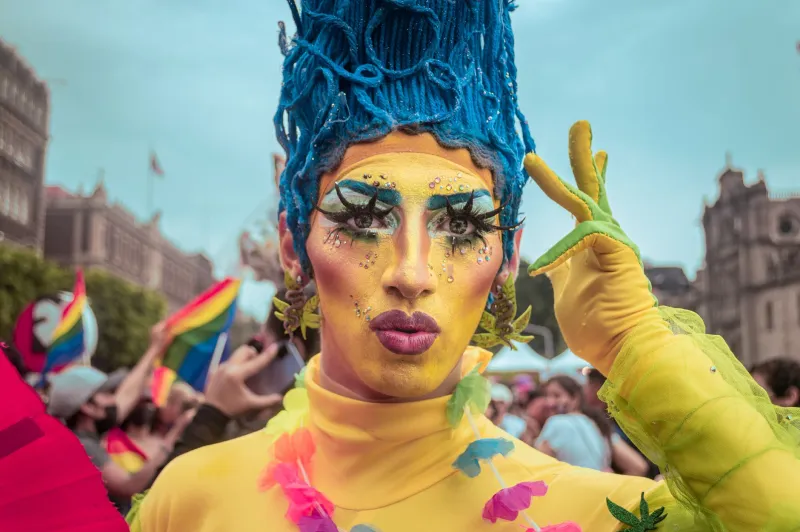
And increasingly, there's the openly trans lawmaker — still rare, still facing extraordinary hostility, but present. In states like Montana and New Hampshire, trans legislators have faced targeted harassment, attempted censure, and coordinated smear campaigns. They've largely stayed anyway. The symbolic weight of their presence — a trans person, in the chamber, casting votes — is itself a form of political power that's hard to quantify but impossible to dismiss.
The National Media Blind Spot
Here's an honest critique: national LGBTQ+ media, including progressive outlets, tends to cover queer politics through a federal lens. Supreme Court decisions, congressional votes, presidential executive orders — those get the bandwidth. The state legislator in Lansing or Harrisburg who just spent three months successfully negotiating language in a school safety bill to include protections for LGBTQ+ youth? Crickets.
That's a coverage failure with real consequences. It shapes where donors send money, which candidates get national visibility, and frankly, who decides to run in the first place. If the only queer political stories being told are about national figures, the message to a potential candidate in a purple Ohio district is that their race doesn't count.
It counts. It might be the race that counts most.
What Comes Next
The 2026 midterms are already on the horizon, and the map for queer state legislative candidates looks both promising and daunting. Several states that have recently passed sweeping anti-LGBTQ+ legislation — think bathroom bills, drag performance restrictions, healthcare bans — are also states where Democratic and independent voters have shown they can be mobilized around those very issues.
The question is whether the funding infrastructure, the candidate pipeline, and the organizing capacity can align in time to field competitive queer candidates in the places that matter. The Victory Fund and allied organizations are betting they can. Early recruitment is already underway in Georgia, North Carolina, and Nevada.
The rainbow caucus isn't a formal caucus. There's no membership card, no official whip, no C-SPAN coverage of their strategy sessions. It's a loose, determined network of out lawmakers who show up, do the grinding procedural work, and quietly hold more ground than most people realize.
That's not a bug. For now, it might be the whole point.